How Do You Know if You Have Thyroid Issues

Does fatigue elevate you lot downwards day later on day? Practise you have brain fog, weight gain, chills, or hair loss? Or is the opposite true for yous: Are you often revved upwardly, sweaty, or anxious? Your thyroid gland could be to blame. This groovy regulator of torso and mind sometimes goes haywire, particularly in women. Getting the right treatment is disquisitional to experience your best and avert serious wellness bug.
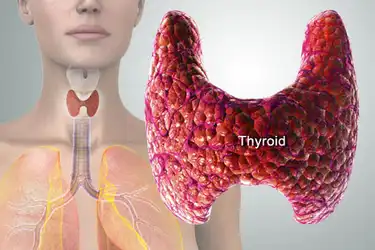
The thyroid is a butterfly-shaped gland in the front of the neck. Information technology produces hormones that control the speed of your metabolism -- the arrangement that helps the trunk employ free energy. Thyroid disorders can ho-hum down or rev up metabolism past disrupting the production of thyroid hormones. When hormone levels get too low or as well high, you may experience a wide range of symptoms.

An unexplained change in weight is one of the nigh mutual signs of a thyroid disorder. Weight gain may signal low levels of thyroid hormones, a condition chosen hypothyroidism. In contrast, if the thyroid produces more hormones than the body needs, you may lose weight unexpectedly. This is known as hyperthyroidism. Hypothyroidism is far more common.
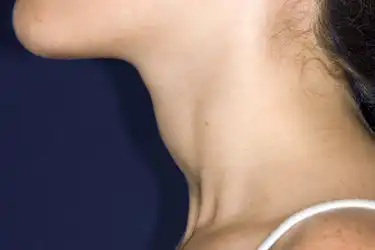
A swelling or enlargement in the cervix is a visible clue that something may be wrong with the thyroid. A goiter may occur with either hypothyroidism or hyperthyroidism. Sometimes swelling in the neck can effect from thyroid cancer or nodules, lumps that abound inside the thyroid. It can as well be due to a cause unrelated to the thyroid.

Thyroid hormones affect well-nigh every organ in the body and can influence how quickly the heart beats. People with hypothyroidism may notice their heart rate is slower than usual. Hyperthyroidism may cause the heart to speed upwards. It tin as well trigger increased blood pressure and the sensation of a pounding heart, or other types of center palpitations.

Thyroid disorders can take a noticeable affect on your free energy level and mood. Hypothyroidism tends to make people feel tired, sluggish, and depressed. Hyperthyroidism can cause anxiety, bug sleeping, restlessness, and irritability.

Pilus loss is another sign that thyroid hormones may be out of balance. Both hypothyroidism and hyperthyroidism can crusade pilus to fall out. In about cases, the hair will grow back once the thyroid disorder is treated.

Thyroid disorders can disrupt the power to regulate trunk temperature. People with hypothyroidism may feel common cold more than often than usual. Hyperthyroidism tends to have the opposite effect, causing excessive sweating and an aversion to rut.

Hypothyroidism can crusade many other symptoms, including:
- Dry skin and brittle nails
- Numbness or tingling in the easily
- Constipation
- Abnormal menstrual periods
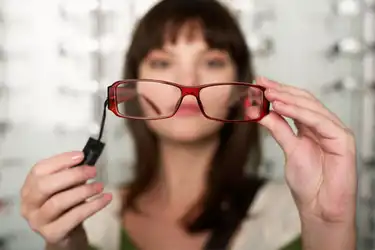
Hyperthyroidism tin can also cause additional symptoms, such as:
- Muscle weakness or trembling hands
- Vision problems
- Diarrhea
- Irregular menstrual periods

Considering thyroid disorders can cause changes in menstrual cycle and mood, the symptoms are sometimes mistaken for menopause. If a thyroid problem is suspected, a elementary blood test can decide whether the true culprit is menopause or a thyroid disorder -- or a combination of the two.
If yous retrieve y'all have symptoms of a thyroid problem, enquire your doctor if you should be tested. People with symptoms or risk factors may need tests more often. Hypothyroidism more often affects women over age lx. Hyperthyroidism is too more common in women. A family history raises your risk of either disorder.
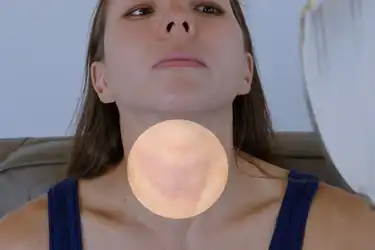
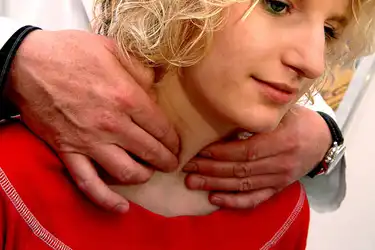
A careful look in the mirror may help you spot an enlarged thyroid that needs a doctor's attention. Tip your head back, take a potable of h2o, and equally yous swallow, examine your neck beneath the Adam'southward apple and above the collarbone. Look for bulges or protrusions, and then repeat the procedure a few times. Run into a physician promptly if you run into a bulge or lump.

If your dr. suspects a thyroid disorder, a blood test can help provide an answer. This examination measures the level of thyroid stimulating hormone (TSH), a kind of master hormone that regulates the work of the thyroid gland. Along with TSH measurements , thyroid hormone levels are also analyzed. If TSH is loftier, information technology typically means that your thyroid role is too low (hypothyroid). If TSH is depression, and so it more often than not means the thyroid is overactive (hyperthyroid.) Your md may also check levels of other thyroid hormones in your claret. In some cases, imaging studies are used and biopsies are taken to evaluate a thyroid aberration.
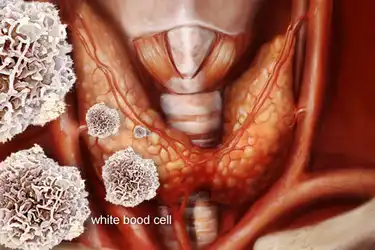
The most mutual cause of hypothyroidism is Hashimoto'due south disease. This is an autoimmune disorder in which the body attacks the thyroid gland. The result is damage to the thyroid, preventing it from producing enough hormones. Hashimoto's illness tends to run in families.
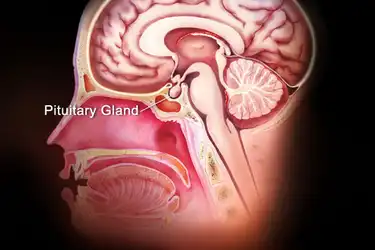
In some cases, hypothyroidism results from a problem with the pituitary gland, which is at the base of operations of the brain. This gland produces thyroid-stimulating hormone (TSH), which tells the thyroid to do its job. If your pituitary gland does not produce enough TSH, levels of thyroid hormones will fall. Other causes of hypothyroidism include temporary inflammation of the thyroid or medications that impact thyroid role.
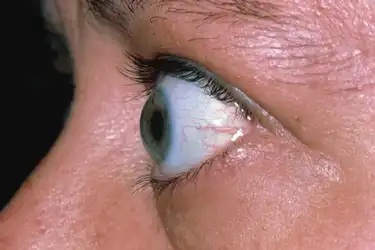
The nigh common cause of hyperthyroidism is Graves' disease. This is an autoimmune disorder that attacks the thyroid gland and triggers the release of high levels of thyroid hormones. One of the hallmarks of Graves' disease is a visible and uncomfortable swelling backside the eyes wich can trigger thyroid eye disease.
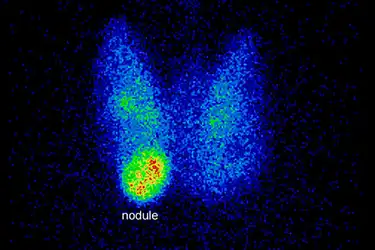
Hyperthyroidism can also result from thyroid nodules. These are lumps that develop inside the thyroid and sometimes brainstorm producing thyroid hormones. Large lumps may create a noticeable goiter. Smaller lumps can be detected with ultrasound. A thyroid uptake and scan tin tell if the lump is producing too much thyroid hormone.

When left untreated, hypothyroidism tin raise cholesterol levels and make y'all more likely to accept a stroke or heart set on. In astringent cases, very low levels of thyroid hormones can trigger a loss of consciousness and life-threatening drop in body temperature. Untreated hyperthyroidism can cause serious eye problems and breakable bones.

If you lot are diagnosed with hypothyroidism, your doc will most likely prescribe thyroid hormones in the form of a pill. This usually leads to noticeable improvements within a couple of weeks. Long-term treatment tin result in more energy, lower cholesterol levels, and gradual weight loss. Most people with hypothyroidism will need to take thyroid hormones for the rest of their lives.
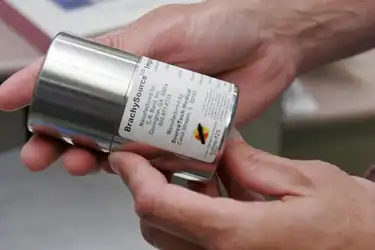
The most mutual option in treating adults is radioactive iodine, which destroys the thyroid gland over the class of 6 to 18 weeks. Once the gland is destroyed, or removed by surgery, most patients must brainstorm taking thyroid hormones in pill class. Another mutual handling for hyperthyroidism is antithyroid medication, which aims to lower the corporeality of hormones produced by the thyroid. The status may eventually go away, but many people need to remain on medication for the long term. Other drugs may be given to reduce symptoms such equally rapid pulse and tremors.

Removing the thyroid gland tin cure hyperthyroidism, just the process is but recommended if antithyroid drugs don't piece of work, or if there is a large goiter. Surgery may also be recommended for patients with thyroid nodules. One time the thyroid is removed, most patients require daily supplements of thyroid hormones to avoid developing hypothyroidism.
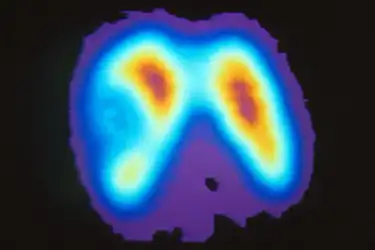
Thyroid cancer is uncommon and is amongst the least mortiferous. The main symptom is a lump or swelling in the cervix, and but about 5% of thyroid nodules plow out to exist malignant. When thyroid cancer is diagnosed, information technology is most often treated with surgery followed by radioactive iodine therapy or, in some cases, external radiation therapy.
Source: https://www.webmd.com/women/ss/slideshow-thyroid-symptoms-and-solutions

Post a Comment for "How Do You Know if You Have Thyroid Issues"